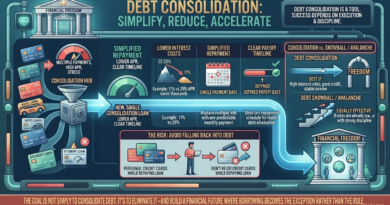

Before You Take Out a Personal Loan: A Complete Financial Health Checklist
Taking out a personal loan is easy.
Paying it back over the next three, five, or even seven years is the real challenge.
Many borrowers spend hours comparing lenders, interest rates, and monthly payments—but very little time evaluating whether borrowing is actually the right financial decision.
That’s where a financial health check comes in.
Before signing any loan agreement, you should evaluate your overall financial situation just as carefully as a doctor evaluates your health before recommending treatment.
In this guide, you’ll learn the essential questions to ask yourself before taking on new debt and how to determine whether a personal loan will strengthen—or weaken—your financial future.
Before borrowing money, it’s important to build a solid foundation with Money Management and Budgeting. A loan should fit into your financial plan—not replace it.
Why a Financial Health Check Matters
A loan doesn’t create financial stability.
It simply shifts today’s financial problem into tomorrow’s repayment schedule.
Used wisely, borrowing can help consolidate expensive debt, finance necessary expenses, or improve cash flow.
Used carelessly, it can create years of financial stress.
The goal isn’t to avoid loans altogether.
The goal is to borrow only when the decision genuinely improves your financial position.
Before deciding, it’s also worth understanding whether a personal loan is a financial tool or a debt trap.
Checklist Item #1: Do You Really Need the Loan?
This is the first—and most important—question.
Ask yourself:
- Is this purchase necessary?
- Could I delay it and save instead?
- Is there a less expensive alternative?
- Will this loan improve my financial situation or simply fund lifestyle spending?
Many financial experts recommend borrowing only for expenses that create long-term value or solve an important financial problem.
If you’re borrowing to cover everyday spending, consider whether impulse spending habits may be the real issue.
Checklist Item #2: Can Your Budget Handle the Monthly Payment?
Never approve a loan based solely on lender approval.
Instead, evaluate whether the monthly payment comfortably fits into your own budget.
Review:
- Your monthly income
- Your essential expenses
- Your existing debt payments
- Your savings goals
If the payment leaves little room for emergencies or unexpected expenses, the loan may place unnecessary pressure on your finances.
Our guide on Creating a Realistic Monthly Budget can help you evaluate affordability before borrowing.
Checklist Item #3: How Healthy Is Your Credit Score?
Your credit score influences:
- Your approval chances
- Your APR
- Your repayment terms
- Your total borrowing cost
Improving your credit score before applying could save hundreds—or even thousands—of dollars over the life of the loan. Checking your credit report, correcting errors, and paying down existing debt are among the smartest steps to take before applying.
For more information, read our guide on Understanding Credit Scores.
You may also want to learn what credit score you actually need for different financial goals.
Checklist Item #4: How Much Debt Do You Already Have?
Adding new debt to an already heavy debt load increases financial risk.
Calculate your existing obligations, including:
- Credit cards
- Auto loans
- Student loans
- Mortgage or rent
- Other personal loans
Lenders often evaluate your debt-to-income (DTI) ratio to determine whether you can comfortably manage additional borrowing. But even if a lender approves your application, you should make your own assessment first.
If you’re already juggling multiple debts, our Debt Consolidation Guide may help you evaluate your options.
Checklist Item #5: Have You Compared Multiple Loan Offers?
The first offer is rarely the best one.
Before making a decision, compare:
- APR
- Monthly payment
- Loan term
- Origination fees
- Prepayment policies
Whenever possible, use lenders that offer prequalification with a soft credit inquiry so you can compare offers without affecting your credit score.
Our article on How to Choose the Best Personal Loan explains exactly how to compare lenders effectively.
Checklist Item #6: Do You Have an Emergency Fund?
If losing your job or facing an unexpected expense would immediately make your loan unaffordable, your financial safety net may not be strong enough.
An emergency fund helps prevent temporary setbacks from turning into missed loan payments.
Building savings before borrowing can significantly improve long-term financial resilience.
Learn more in our guide on Saving Money and Building Financial Security.
Checklist Item #7: Do You Understand the Total Cost?
Many borrowers focus only on the monthly payment.
Instead, ask:
- How much interest will I pay?
- How much will I repay in total?
- Can I repay the loan early without penalties?
Understanding amortization and APR helps you make informed borrowing decisions.
For a complete explanation, see our guide on How Personal Loan Interest Is Calculated.
Warning Signs You Should Delay Borrowing
Consider postponing your loan application if:
- You don’t know exactly how you’ll repay it.
- Your monthly budget is already stretched.
- You’re relying on credit cards to cover regular expenses.
- You have little or no emergency savings.
- You’re borrowing for impulse purchases or lifestyle upgrades.
Waiting a few months to improve your financial position may result in lower borrowing costs and greater peace of mind.
When a Personal Loan Can Be a Smart Decision
A personal loan can be an excellent financial tool when it is used for:
- Consolidating high-interest debt.
- Essential home repairs.
- Unexpected medical expenses.
- Major planned expenses with a clear repayment strategy.
The key is ensuring the loan creates long-term financial value instead of temporary financial relief.
Having clear financial goals before borrowing makes it much easier to determine whether a loan supports your long-term plans.
Final Thoughts
A lender’s approval doesn’t automatically mean a loan is right for you.
The most important approval is your own.
Before borrowing, evaluate your budget, credit score, existing debt, savings, and long-term financial goals.
Loans are powerful financial tools—but only when they’re used intentionally.
The healthiest financial decision isn’t always the one that gives you access to more money today.
Sometimes, it’s the one that protects your financial freedom tomorrow.