
The Ultimate Saving Guide: Build Your Future Starting Today
When people think about building wealth, they often focus on investing.
They search for the best stocks, the hottest ETFs, or the next big opportunity in the market.
But before successful investing comes something even more important: saving money.
Saving may not generate exciting headlines, but it is one of the most powerful financial habits you can develop. Nearly every financially successful person learned how to save before learning how to invest.
Saving creates stability, flexibility, and opportunity. It helps you handle unexpected expenses, pursue long-term goals, and build a strong foundation for future investments.
If you’re just beginning your financial journey, we recommend starting with our guides on Money Management and Budgeting and Financial Goals. Together, budgeting, saving, and goal setting form the foundation of long-term financial success.
In this guide, you’ll learn why saving matters, how to build effective saving habits, and practical strategies that can help secure your financial future.
Why Saving Money Matters More Than Most People Realize
Many people assume that earning more money automatically leads to financial success.
Unfortunately, that’s not always true.
Some high-income earners struggle financially because they spend everything they make. Meanwhile, many moderate-income households build substantial wealth through consistent saving and disciplined financial habits.
Saving creates a gap between what you earn and what you spend. That gap becomes the foundation of wealth creation.
Without savings:
- Unexpected expenses become emergencies.
- Job loss becomes a crisis.
- Investment opportunities become difficult to pursue.
- Long-term goals become harder to achieve.
With savings:
- You gain financial flexibility.
- You reduce financial stress.
- You create future opportunities.
- You build confidence in your financial decisions.
The Difference Between Saving and Investing
Although they work together, saving and investing serve different purposes.
Saving
Saving focuses on preserving money for short-term goals and emergencies.
- Emergency funds
- Home down payments
- Vacations
- Major purchases
- Unexpected expenses
Investing
Investing focuses on growing wealth over the long term.
- Index funds
- ETFs
- Dividend stocks
- Retirement accounts
- Real estate investments
A common mistake is trying to invest aggressively before building adequate savings. A strong savings foundation allows your investments to remain untouched during difficult periods.
The Power of Small Savings
One of the biggest misconceptions about saving money is that you need a large income to make meaningful progress.
You don’t.
Small, consistent actions often produce remarkable results over time.
If you save just $10 per day, that becomes:
- $300 per month
- $3,650 per year
- $36,500 over ten years before investment growth
The lesson is simple: consistency matters more than perfection.
You don’t need to save everything. You simply need to save something and do it consistently.
How to Start Saving Money Effectively
1. Pay Yourself First
Most people save whatever remains after spending.
Unfortunately, there is often very little left.
Instead, transfer money into savings immediately after receiving your paycheck. Treat saving like a mandatory monthly bill.
Automating this process dramatically increases the likelihood of success.
2. Build an Emergency Fund
An emergency fund is one of the most important financial tools you can have.
Most financial experts recommend saving three to six months of living expenses in a readily accessible account.
This money should be reserved for genuine emergencies such as:
- Job loss
- Medical expenses
- Major car repairs
- Unexpected home repairs
Building an emergency fund becomes easier when tied to a specific objective. This is where financial goals become powerful. If you haven’t defined your financial objectives yet, our guide on Financial Goals can help you create a roadmap for your money.
3. Track Your Spending
You cannot improve what you don’t measure.
Many people underestimate how much they spend on:
- Food delivery
- Streaming subscriptions
- Coffee purchases
- Impulse shopping
- Digital services
Tracking your expenses for just one month can uncover hundreds of dollars in potential savings.
4. Follow a Budget
A budget is simply a plan for your money.
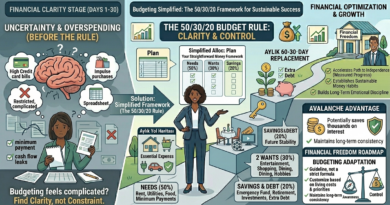
One of the most popular budgeting methods in the United States is the 50/30/20 Rule:
- 50% for needs
- 30% for wants
- 20% for savings and investments
Budgeting and saving are inseparable. A budget shows where your money is going, while saving determines where your money is growing.
If you’re struggling to save consistently, the problem often isn’t income—it’s visibility. Our guide on Money Management and Budgeting explains how to create a spending plan that supports your savings goals.
Common Obstacles to Saving Money
Lifestyle Inflation
As income increases, spending often rises as well.
Instead of spending every raise or bonus, direct a portion toward savings and investments.
Impulse Spending
Before making non-essential purchases, consider using a 24-hour waiting rule.
Many buying urges disappear after a day of reflection.
Lack of Clear Goals
Saving becomes significantly easier when you have a specific purpose.
Examples include:
- Saving $20,000 for a home down payment
- Building a six-month emergency fund
- Creating a travel fund
- Achieving financial independence
The clearer the goal, the stronger your motivation tends to be.
Saving, Budgeting, and Financial Goals: The Three Pillars of Financial Success
Many people view saving, budgeting, and investing as separate activities.
In reality, they work together.
- Budgeting helps you control your money.
- Saving helps you build financial security.
- Financial goals give your money a purpose.
Without budgeting, saving becomes difficult.
Without saving, investing becomes risky.
Without goals, it’s difficult to know whether you’re making progress.
Mastering all three creates a powerful foundation for long-term wealth building.
Turning Savings into Wealth
Saving is the first stage of wealth creation.
Once you’ve established an emergency fund and developed strong saving habits, excess savings can be directed toward investments.
Many successful investors follow a simple sequence:
- Create a budget.
- Build an emergency fund.
- Eliminate high-interest debt.
- Save consistently.
- Invest for long-term growth.
This balanced approach helps build both financial security and long-term wealth.
Final Thoughts
Saving money may not be glamorous, but it remains one of the most important financial habits you can develop.
Every dollar saved strengthens your financial foundation, reduces future stress, and moves you closer to your goals.
You don’t need a massive income.
You don’t need perfect discipline.
You simply need to start.
The habit of saving is far more important than the amount you save on day one.
Because financial freedom isn’t built through one dramatic decision.
It’s built through small, consistent actions repeated over time.
Start today.
Your future self will thank you.