
Money Management and Budgeting: What They Are and How to Do Them Successfully
Have you ever reached the end of the month and wondered where all your money went?
You’re not alone.
Many people work hard, earn a decent income, and still struggle to save money or achieve their financial goals. The reason is often not a lack of income—it’s a lack of money management.
The good news is that managing your money doesn’t require a finance degree or advanced math skills. A few simple habits can dramatically improve your financial health and help you build long-term wealth.
In this guide, we’ll explore what money management and budgeting really mean, why they matter, and how you can create a practical budget that works in real life.
What Is Money Management?
Money management is the process of planning, organizing, and controlling how you earn, spend, save, and invest money.
Think of it as giving every dollar a purpose.
Without a plan, money tends to disappear on small daily expenses, impulse purchases, subscriptions, and lifestyle inflation. With a plan, your income becomes a tool that helps you achieve your goals.
Effective money management includes:
- Tracking income and expenses
- Creating and following a budget
- Building an emergency fund
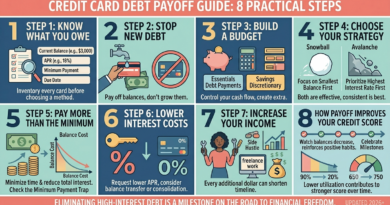
- Managing debt responsibly
- Saving for future goals
- Investing for long-term wealth
The goal isn’t to restrict your life. The goal is to make sure your money supports the life you want.
What Is Budgeting?
Budgeting is the foundation of money management.
A budget is simply a plan for how you will spend and save your money over a specific period, usually a month.
It allows you to:
- Understand where your money goes
- Prevent overspending
- Reduce financial stress
- Save consistently
- Reach financial goals faster
Many people think budgeting means giving up everything they enjoy. In reality, controlling impulse spending is one of the biggest keys to successful budgeting.
A good budget allows you to enjoy life today while preparing for tomorrow.
Why Is Budgeting Important?
1. It Gives You Financial Control
When you know exactly how much money is coming in and going out, you gain control over your finances.
Instead of wondering whether you can afford something, you already know the answer.
2. It Helps You Save More
Most people save whatever money is left at the end of the month.
The problem?
There is usually nothing left.
A budget helps you prioritize saving before spending.
3. It Reduces Financial Stress
Unexpected expenses happen to everyone.
Medical bills, car repairs, home maintenance, and job loss can create financial pressure.
Having a budget and emergency fund can make these situations far less stressful.
4. It Helps You Reach Financial Goals
Whether your goal is buying a home, paying off debt, retiring early, or building an investment portfolio, budgeting provides the roadmap.
Signs You Need a Better Budget
You may benefit from budgeting if:
- You frequently carry credit card debt
- You don’t know where your money goes each month
- You struggle to save consistently
- You live paycheck to paycheck
- You often make impulse purchases
- You feel stressed about money
If any of these sound familiar, don’t worry. The first step toward improvement is awareness.
How to Create a Budget in 7 Simple Steps
Step 1: Calculate Your Monthly Income
Start by determining your total monthly income.
This may include:
- Salary or wages
- Freelance income
- Side hustle earnings
- Rental income
- Dividend income
- Other sources of cash flow
Use your net income (after taxes) for the most accurate budget.
Step 2: Track Your Expenses
For one month, track every dollar you spend.
Review:
- Bank statements
- Credit card statements
- Digital wallet transactions
- Subscription services
You may be surprised by how much money goes toward small recurring expenses.
Step 3: Categorize Your Spending
Divide expenses into categories such as:
- Housing
- Utilities
- Transportation
- Food
- Insurance
- Debt payments
- Entertainment
- Savings
- Investments
This helps identify areas where spending can be optimized.
Step 4: Set Financial Goals
Your budget should support clear financial goals.
Examples include:
- Saving $10,000 for a house down payment
- Building a six-month emergency fund
- Paying off credit card debt
- Investing for retirement
- Creating passive income streams
Goals give your budget a purpose.
Step 5: Choose a Budgeting Method
The 50/30/20 Rule
One of the most popular budgeting frameworks in the United States is the 50/30/20 Rule.
- 50% for needs
- 30% for wants
- 20% for savings and investments
This approach is simple, flexible, and easy for beginners to follow.
Zero-Based Budgeting
In a zero-based budget, every dollar receives a job.
Income minus expenses equals zero.
This method provides maximum control and awareness.
Pay Yourself First
Instead of saving what’s left over, automatically transfer money to savings and investments immediately after getting paid.
Then live on the remainder.
Step 6: Build an Emergency Fund
Financial experts often recommend maintaining three to six months of living expenses in an emergency fund, an essential step toward financial freedom.
This money should be easily accessible and reserved for genuine emergencies.
An emergency fund protects your long-term investments from unexpected life events.
Step 7: Review and Adjust Monthly
Your budget is not a one-time project.
Life changes.
Income changes.
Expenses change.
Review your budget each month and make adjustments as needed.
The most successful budgets evolve over time.
Common Budgeting Mistakes to Avoid
Being Too Restrictive
Budgets that eliminate all fun spending often fail quickly.
Allow room for enjoyment while maintaining financial discipline.
Ignoring Small Expenses
Coffee runs, food delivery apps, and subscription services can quietly consume hundreds of dollars each month. Understanding your spending habits helps prevent this.
Small expenses matter.
Not Tracking Progress
A budget only works if you monitor it regularly.
Checking your spending weekly can prevent problems before they grow.
Failing to Plan for Irregular Expenses
Holiday gifts, vacations, annual insurance premiums, and car maintenance should be anticipated in advance.
These expenses are predictable—even if they don’t occur every month.
How Budgeting Supports Investing
Many people want to invest but feel they don’t have enough money.
In reality, budgeting often reveals opportunities to invest that previously went unnoticed.
When you consistently spend less than you earn, you create investable cash flow.
That money can be directed toward:
- Index funds
- ETFs
- Dividend stocks
- Retirement accounts such as a 401(k) or IRA
- Other long-term investments
Successful investing begins with successful money management and the right investment psychology.
Final Thoughts
Money management and budgeting aren’t about deprivation.
They’re about making intentional decisions with your money.
The sooner you start tracking your income, controlling your expenses, and allocating money toward savings and investments, the sooner you’ll build financial confidence and long-term wealth.
You don’t need a perfect budget.
You simply need a budget that works consistently.
Start small, stay disciplined, and remember that every financial success story begins with a simple plan that can ultimately lead to financial freedom.