
The Minimum Payment Trap: Why It Keeps You in Debt and How to Escape It
For millions of people, receiving a credit card statement brings a small sense of relief.
After all, the statement usually includes a minimum payment amount that seems manageable.
You pay the minimum, avoid late fees, and move on with your life.
At first glance, it feels like you’re handling your debt responsibly.
But here’s the problem:
Making only the minimum payment is one of the most expensive financial habits you can develop.
While minimum payments keep your account in good standing, they often keep you trapped in debt for years—and sometimes decades.
In this guide, we’ll explain how the minimum payment trap works, why it is so dangerous, and how you can break free from it.
Before tackling debt, it’s important to understand the fundamentals of Money Management and Budgeting, because debt problems are often rooted in cash flow management.
What Is a Minimum Payment?
A minimum payment is the smallest amount your credit card issuer requires you to pay each month to keep your account current.
Typically, this amount is calculated as a small percentage of your outstanding balance, often between 1% and 3%, plus any fees or interest charges.
This low payment requirement makes debt feel more manageable than it actually is.
Unfortunately, that convenience comes at a price.
Why Minimum Payments Are So Dangerous
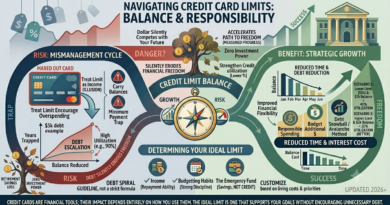
When you make only the minimum payment, most of your money goes toward interest rather than reducing the principal balance.
This creates three major problems:
- Debt lasts much longer.
- You pay significantly more interest.
- Your financial flexibility decreases.
In many cases, a debt that could have been eliminated within a few years may remain active for a decade or more.
If you’re already carrying balances, our guide on How to Pay Off Credit Card Debt explains how to build a structured payoff plan.
An Example of the Minimum Payment Trap
Imagine you have:
- $5,000 in credit card debt
- 24% annual interest rate (APR)
- Minimum payment of 2% of the balance
If you make only minimum payments and stop adding new charges, repayment could take many years while costing thousands of dollars in interest.
The lender benefits from time.
You benefit from speed.
The longer debt remains outstanding, the more expensive it becomes.
Why People Fall Into the Trap
Psychological Comfort
The minimum payment creates the illusion that everything is under control.
Since the payment amount is relatively small, people feel less urgency to eliminate the debt.
Cash Flow Constraints
Many households are already operating with tight budgets.
As a result, paying more than the minimum may feel impossible.
Lifestyle Inflation
As income increases, spending often increases as well.
Without intentional planning, additional income rarely gets directed toward debt reduction.
The Hidden Cost of Carrying Credit Card Debt
Every dollar spent on interest is a dollar that cannot be used for:
- Retirement savings
- Investments
- Emergency funds
- Travel
- Major life goals
Debt silently competes with your future financial success.
This is one reason why so many people struggle to achieve Financial Freedom.
How to Escape the Minimum Payment Trap
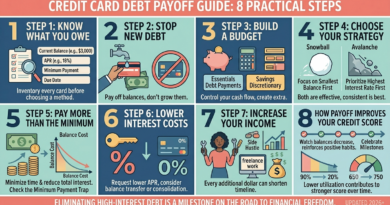
1. Stop Adding New Debt
The first step is preventing the problem from growing.
If balances continue increasing, repayment becomes significantly harder.
Focus on living within your means while building stronger spending habits.
Our guide on Spending Habits explains how daily decisions shape long-term financial outcomes.
2. Create a Debt-Focused Budget
Your budget should intentionally allocate extra money toward debt reduction.
Even small additional payments can dramatically reduce repayment time.
If you need help creating a budget, read our guide on Creating a Monthly Budget.
3. Use a Structured Debt Repayment Method
Having a strategy improves consistency and motivation.
Two of the most effective approaches are:
Both methods can accelerate debt repayment and help reduce long-term interest costs.
If you’re deciding between these strategies and consolidating your balances into one loan, read Debt Consolidation Guide.
4. Increase Income When Possible
While reducing expenses is important, increasing income can often have an even greater impact.
Side hustles, freelance work, consulting, or career advancement opportunities can create additional resources for debt repayment.
How Credit Scores Are Affected
Many people assume that making minimum payments protects their credit score.
While minimum payments prevent late-payment damage, high credit utilization can still negatively affect your credit profile.
Reducing balances often improves credit health over time.
For a deeper understanding, read our guide on Credit Scores and Financial Reputation.
You can also learn practical strategies in How to Improve Your Credit Score Fast.
Signs You May Be Stuck in the Minimum Payment Cycle
You may be trapped if:
- Your balances remain unchanged for months.
- You regularly carry credit card debt.
- You rely on credit cards for everyday expenses.
- Your debt feels permanent.
- You rarely pay more than the minimum required amount.
Recognizing the problem is the first step toward solving it.
What Happens When You Break Free?
Once credit card debt is eliminated, something powerful happens.
The money that was previously going toward interest becomes available for building wealth.
You can redirect those funds toward:
- Emergency savings
- Investments
- Retirement accounts
- Future financial goals
This is why debt elimination is often one of the most important milestones on the path to financial independence.
Learning to use credit responsibly afterward is equally important. Our guide on The Smartest Credit Card Strategy shows how to avoid falling back into debt.
Final Thoughts
The minimum payment exists to keep your account active.
It does not exist to help you become debt-free quickly.
While paying the minimum may feel safe in the short term, it often creates long-term financial costs that are far greater than most people realize.
The good news is that escaping the minimum payment trap does not require perfection.
It requires awareness, planning, and consistent action.
Every extra dollar you put toward debt today is a step closer to financial freedom tomorrow.
Because the fastest way to stop paying interest is simple:
Stop treating the minimum as your goal.